Carlo Otto · 31 August 2026
Authorities in Felswald Rock Forest have announced a series of new conservation measures aimed at safeguarding the area's unique wildlife populations. The initiatives respond to recent studies showing declines in several native species due to increased human activity and habitat fragmentation. Officials emphasize that these steps will help maintain the ecological balance in this rocky woodland region known for its steep cliffs and dense tree cover.
Protected Zones and Access Restrictions
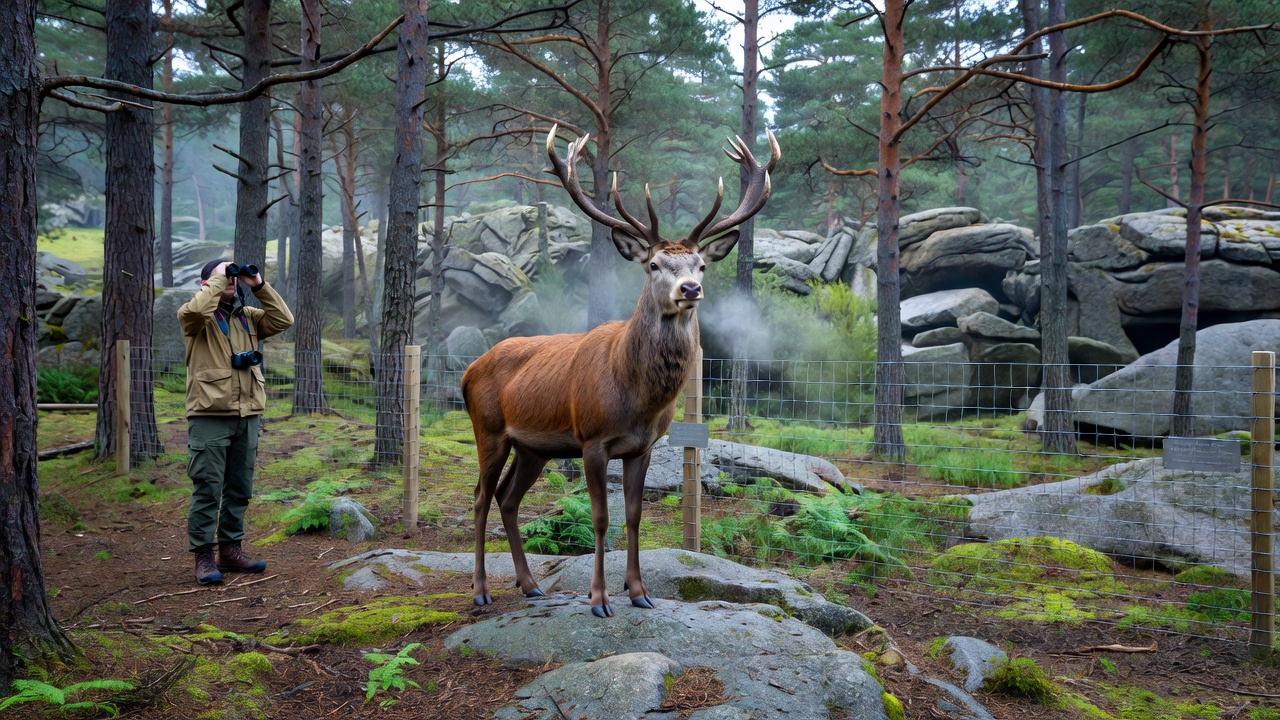
The core of the plan involves establishing expanded protected zones covering over 40 percent of the forest area. These zones limit public access during breeding seasons for birds and mammals. Hiking trails will be rerouted away from sensitive habitats, and motorized vehicles are now prohibited on secondary paths. Rangers will enforce new rules through regular patrols and signage. Species such as the rock eagle and forest deer are expected to benefit most, as their nesting and foraging areas gain greater security. Additional restrictions target camping and foraging to reduce disturbance to ground-nesting animals and rare plant species found only in Felswald's microclimates. Early data from pilot programs indicate a 15 percent drop in unauthorized entries since the measures began implementation last month.
Monitoring and Community Involvement
Advanced monitoring systems including camera traps and acoustic sensors will track animal movements and population trends over the next five years. Local communities and hiking clubs are invited to participate in volunteer programs that include habitat restoration and educational workshops. Funding comes from regional environmental grants and tourism levies, ensuring sustainable support without burdening taxpayers. Experts predict these efforts will stabilize wildlife numbers within three years while preserving Felswald's appeal for responsible visitors. Continued research will guide adjustments to the plan based on observed outcomes, fostering long-term resilience against climate pressures and external threats.